“She was pure magic, strong beyond belief, spent her life learning, sharing her learning with others, loving others.” –Carolyn Sharzer, former student
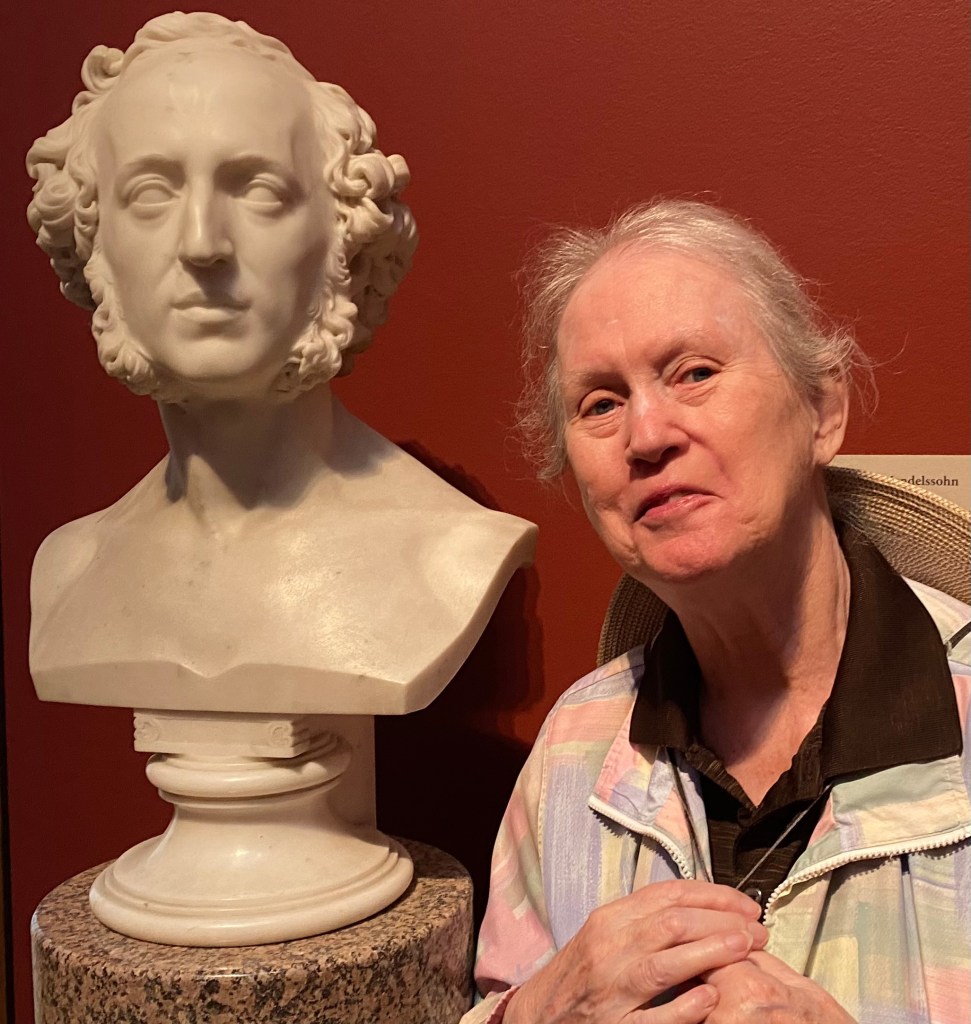
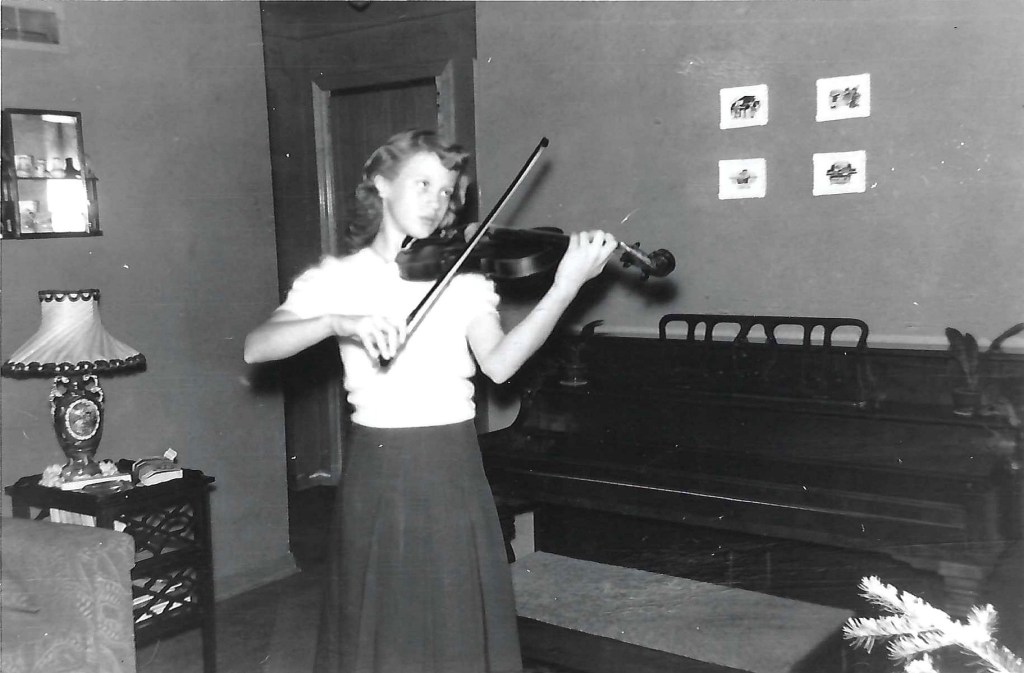
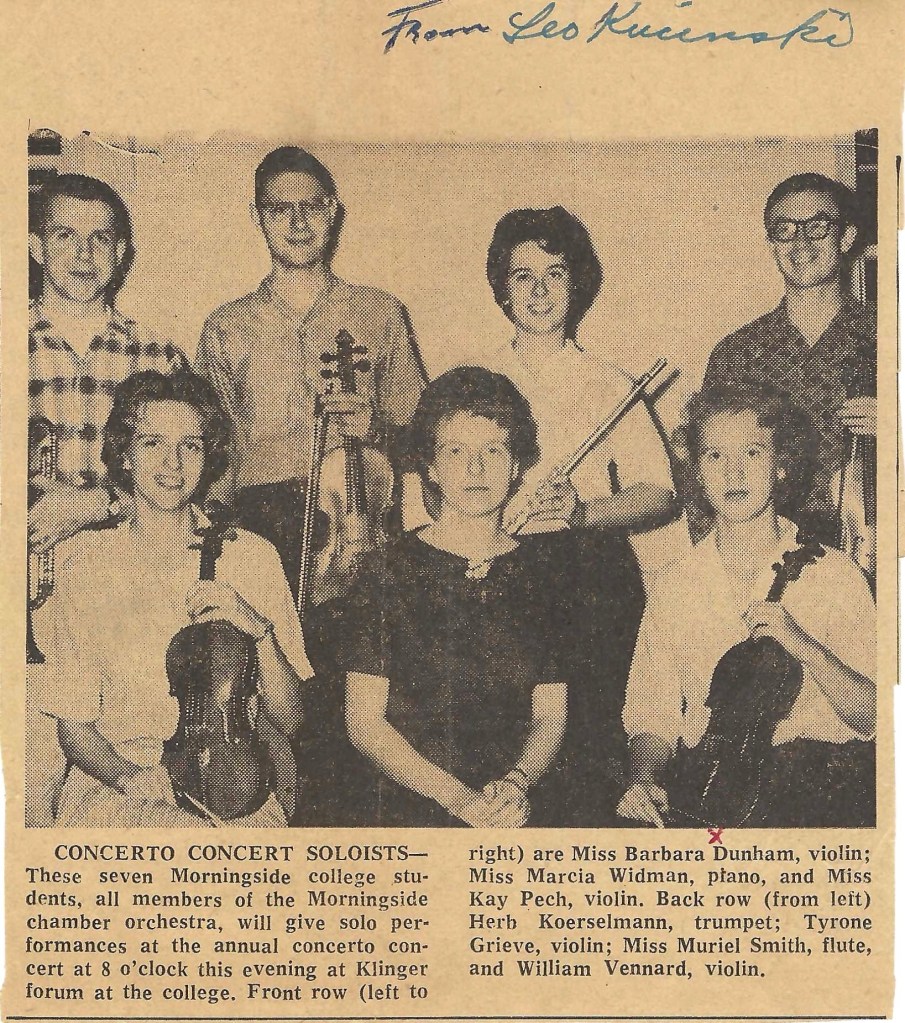
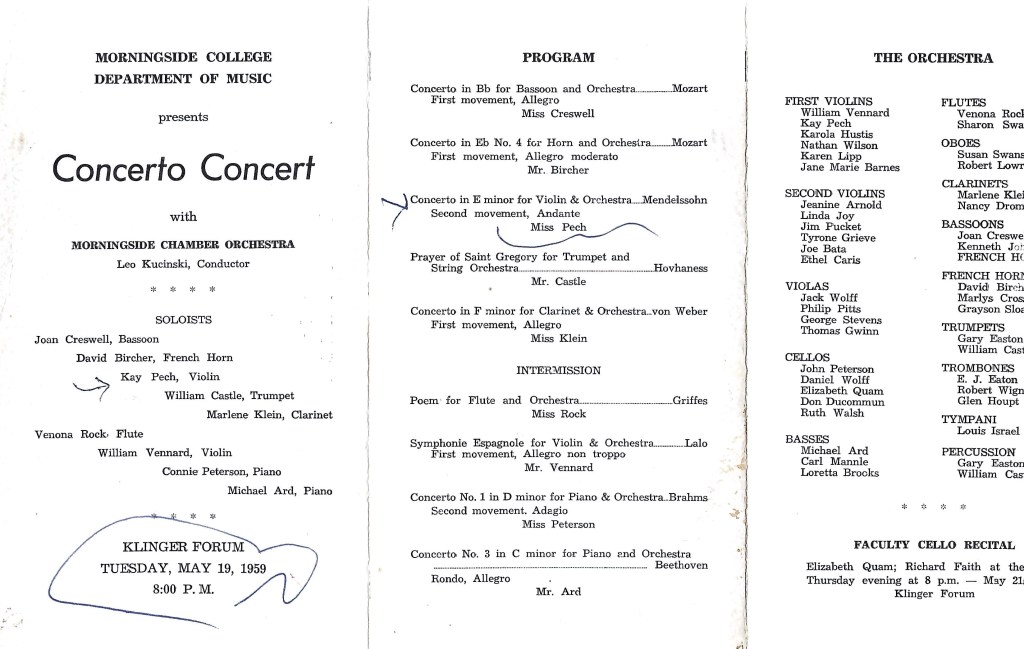
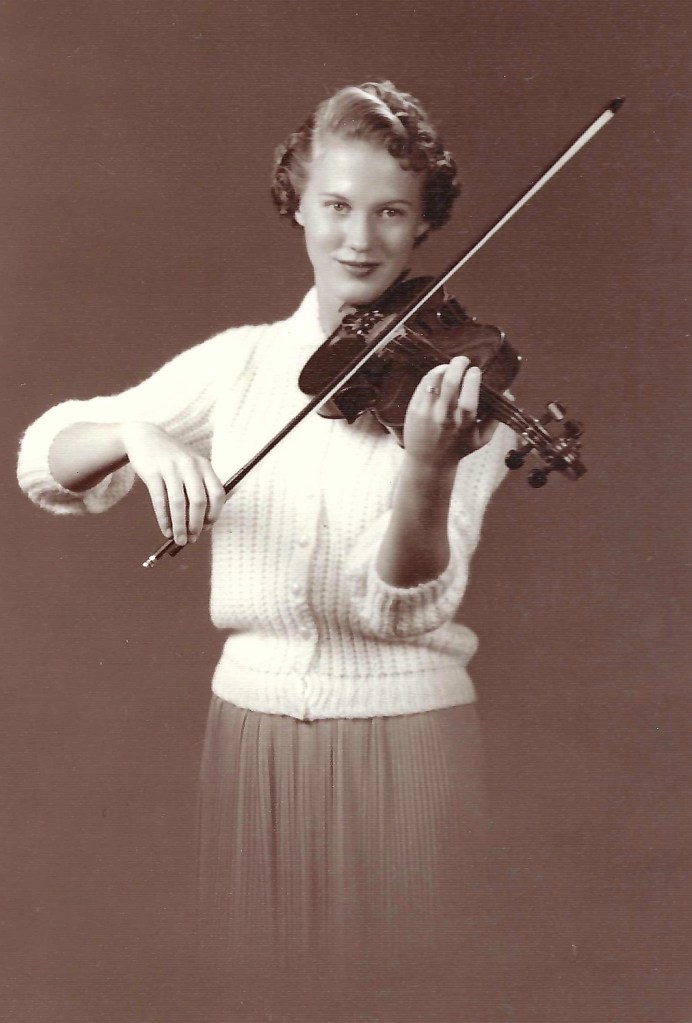
Kay Pech (born Joyce Kay Pech; pronounced “pesh”) was always a barrier-breaker, never afraid to question authority and blaze her own trail. Growing up in Iowa in the 1940s, no one in her family played a musical instrument, but at age four she insisted on beginning violin lessons. As a teenager she began teaching violin to young children and eventually became the first person in her family to attend college. Her parents, not understanding why a woman would want to go to college, provided no financial help. No one guided her to try out for one of the big music schools, so she went to the local college, Morningside College (now Morningside University), where she was fortunate enough to sit under the gifted and inspirational baton of Leo Kucinski. Even so, a young woman in Iowa in the late 1950s was expected to get married, stay at home, and have children. The only possible reason to get a music degree was to become a music teacher; the idea of a woman becoming a professional violinist was almost unthinkable. Yet Leo encouraged Kay to do just that.

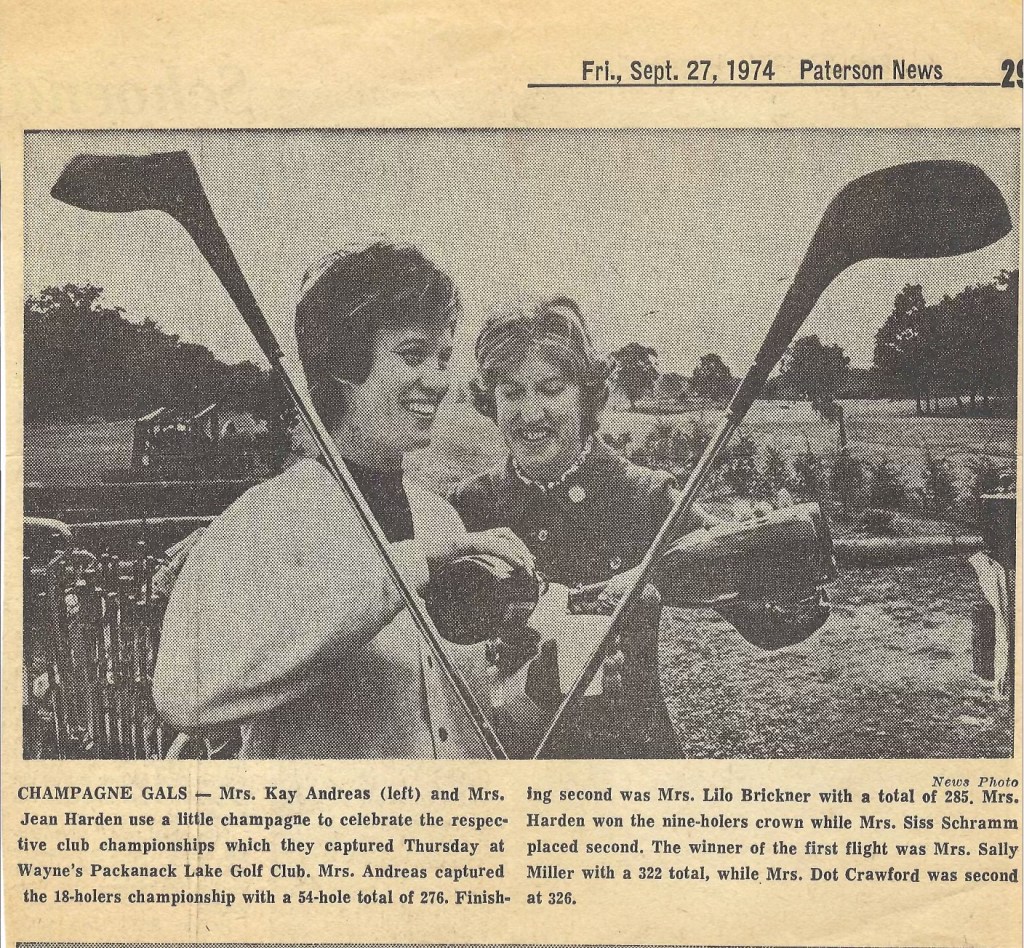
Kay also had other options. She was talented enough at golf to be approached by an LPGA pro asking her to consider choosing that as a career, but music called to her soul. During her years as a music student at Morningside (where she earned a bachelor of music education in violin performance), Kay played violin in the Sioux City Symphony Orchestra, also conducted by Leo Kucinski, where Leo continued to influence her musical imagination.
She began her master’s work in violin under Eudice Shapiro at the University of Southern California (USC), but marriage bells drew her to an Army private, Pete Andreas. Soon she was the concertmaster of the Fort Smith Symphony Orchestra (Arkansas) and, in one of the highlights of her career, performed the Mendelssohn violin concerto (in E minor, Op. 64) with the Oklahoma City Symphony. However, her first child, David, born during this time, was severely disabled and she all but gave up her music career to care for him full-time. When he died at age 5, she poured herself back into her music, but the wound of his loss never healed. Even while still caring for David, she continued her education at the University of Iowa (where she earned a master of arts in viola performance) because her husband was pursuing his degree there. Although she valued the instruction of William Preucil (Sr.) there, she always regretted her naïveté: that, once again, no one impressed upon her the importance of auditioning for a place at Juilliard or Curtis or one of the other leading music schools.
“My whole life and love of music were formed by Bill Preucil [Sr.]’s loving examples in the late 1960s. I came to the University of Iowa to study violin and fell in love with the sound of his viola.” –Kay, on why she got her master’s degree in viola performance
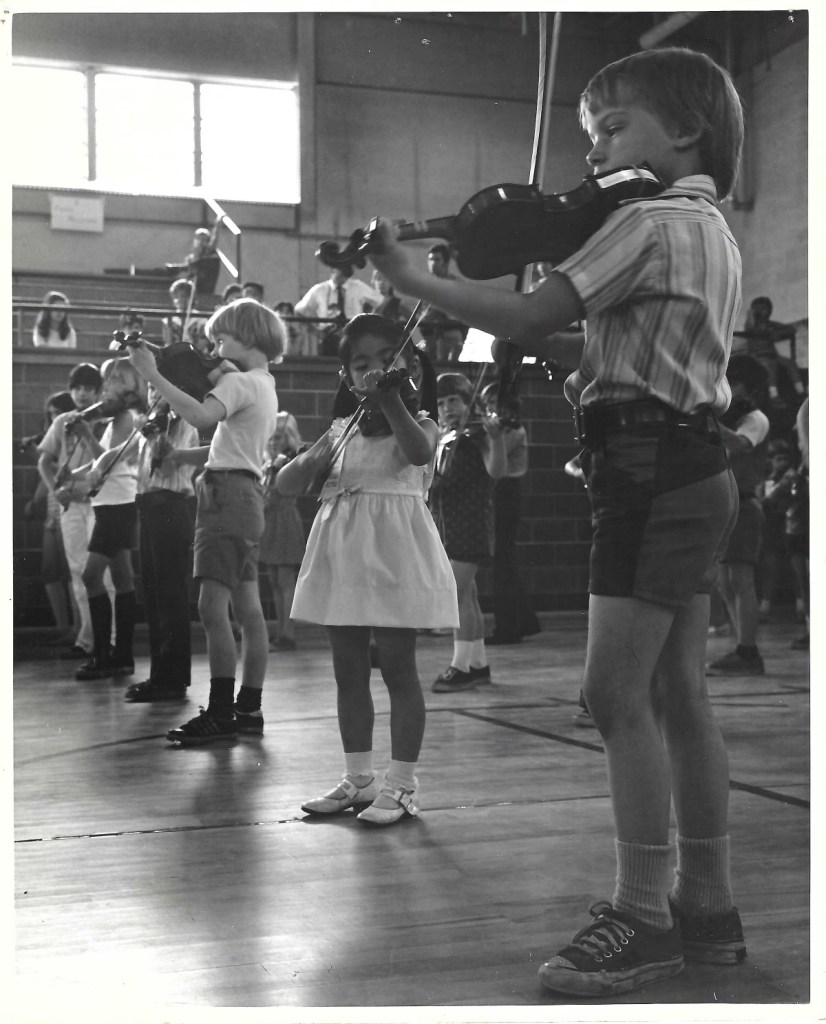
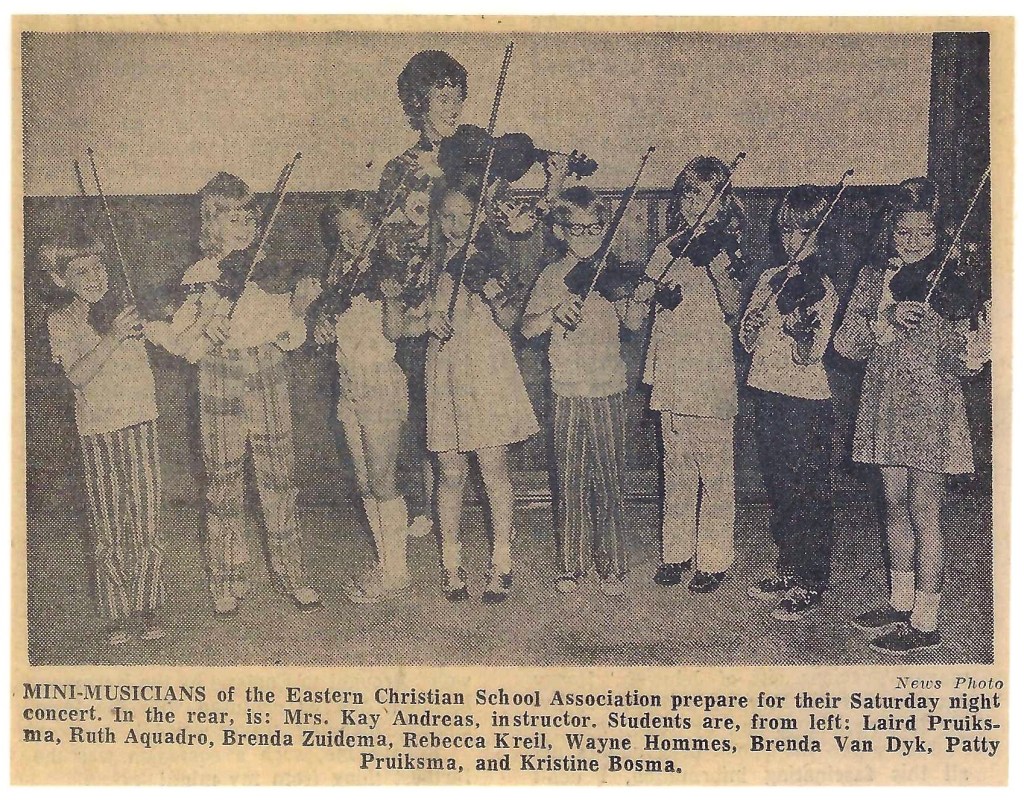
Eventually, Kay and Pete ended up in New Jersey teaching in the Eastern Christian School system (1968-1977). Kay was inspired by the philosophy of the Suzuki method and, as would happen throughout her life, her leadership skills would come to the fore as she became an organizer of Suzuki festivals on the East Coast.
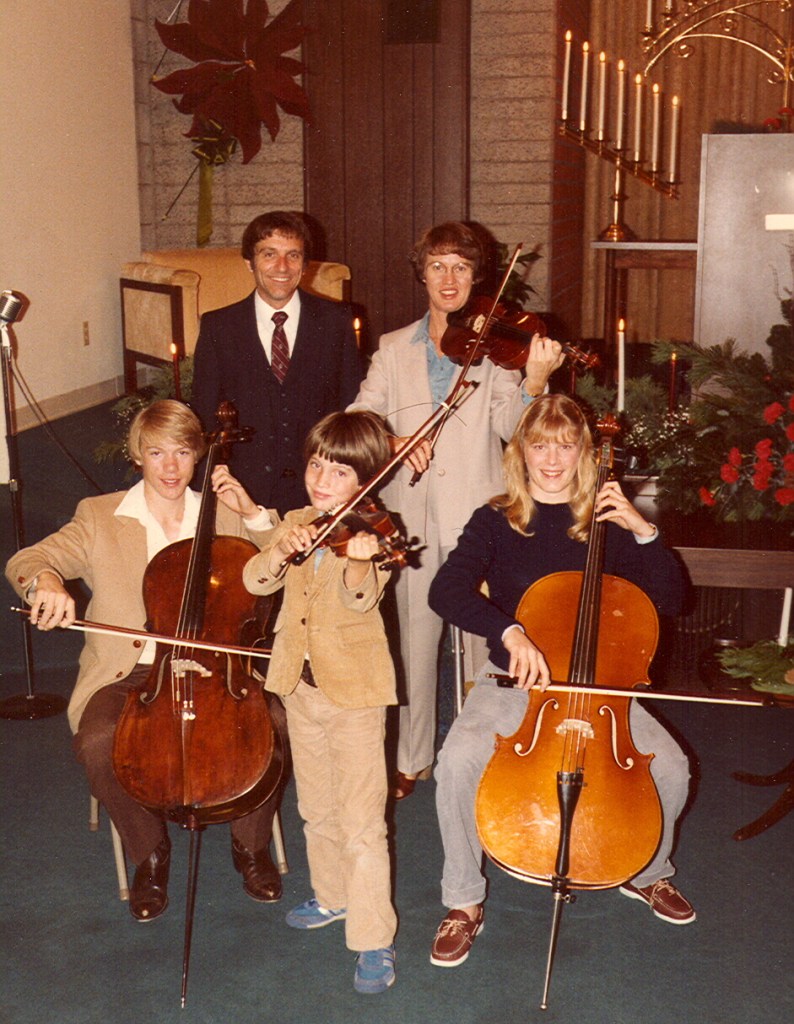
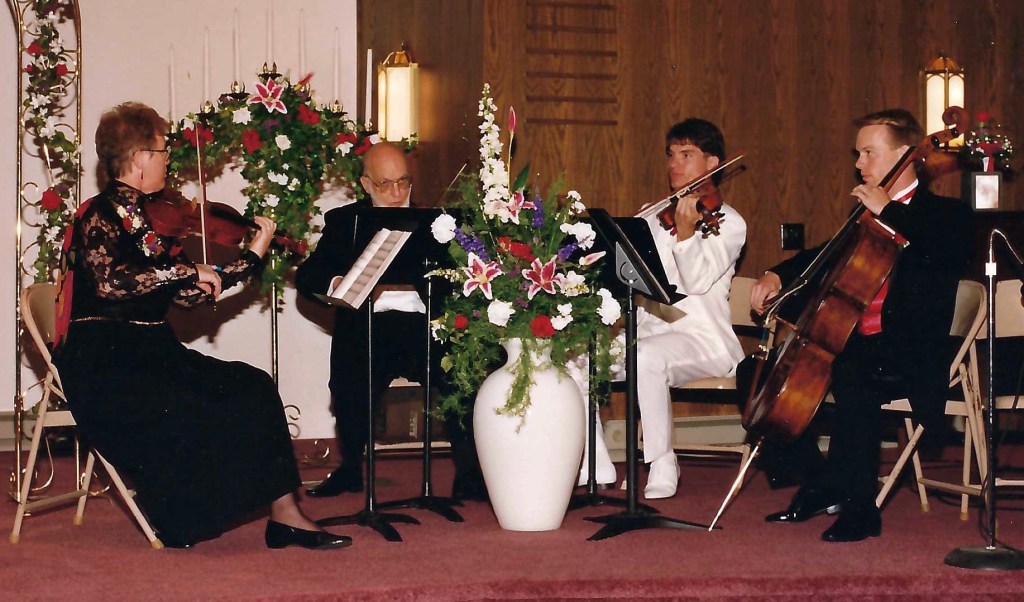
In 1977, Kay and her husband and two young sons (a cellist and a violinist) moved to Southern California where she once again rose quickly in the professional music scene. Soon she was performing with groups such as the Disneyland Christmas Candlelight Orchestra (43 years as the principal violist), Pacific Symphony (assistant principal violist), Downey Symphony (principal violist), and others; teaching at local colleges such as Saddleback College (21 years) and Cal Poly Pomona (8 years); and filling her home studio with violin and viola students. You won’t hear Kay Pech mentioned in the same sentence as some of the more famous teachers—like David Oistrakh or Eudice Shapiro—because she didn’t teach at the big-name schools, but the impact of her teaching was just as important. Famous teachers can focus on honing their students’ highly advanced skills because teachers like Kay have already laid down the fundamentals so well that no remediation is needed. It didn’t matter to Kay if her students went to Juilliard or simply continued playing as an avocation; she wanted them to play with excellence and with a love for the music, especially chamber music. Kay was a champion of the string quartet in all its forms, from baroque to modern.
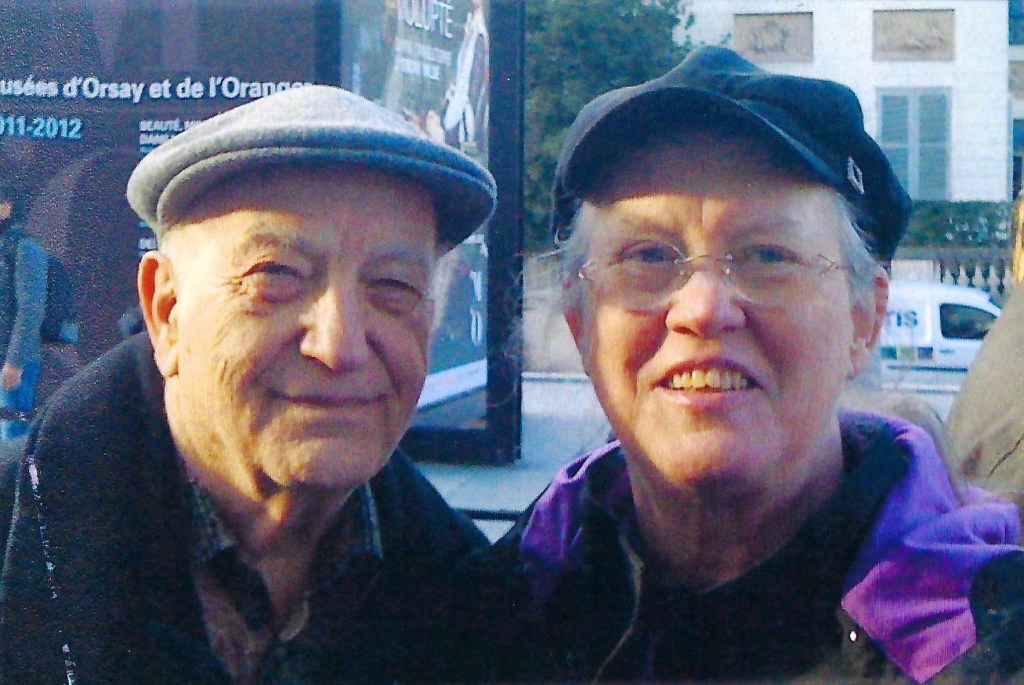
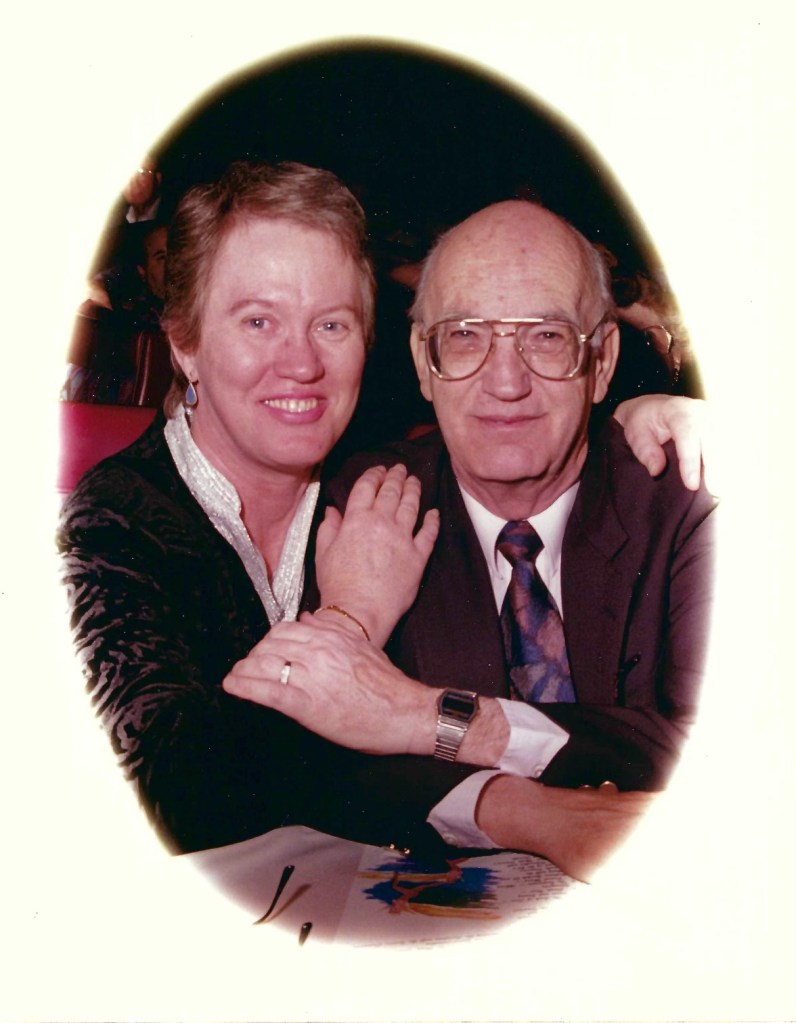
In 1989, Kay married Richard Anshutz, a conductor and tympanist from Northern California. As it turns out, way back around 1960, when Kay was a cute 20-something violinist at Morningside College and playing in the local Sioux City Symphony, Richard was a 30-something tympanist in that same symphony—and she had caught his eye! Richard never married and now, later in life, meeting at an American String Teachers Association (ASTA) conference, they rekindled their friendship. Theirs was a marriage made in musical heaven: playing gigs, administrating musical organizations, visiting the musical sights and sounds of Europe, and even getting married in Mozart’s home-city of Vienna. When Richard passed away in 2013, Kay lost her soulmate.
Throughout her life, Kay was an avid musical arranger. She embraced music software in its early years and continued to use it regularly in her last days. If a student quartet she was coaching had formed with 2 violins and 2 cellos, she would quickly change the viola part into a cello part. If a young student group was interested in playing the music from a recent movie and nothing was available at their level, she would stay up late into the night to create an arrangement at just their skill level. She also dabbled a bit in her own composition. She left behind file cabinets full of her work.
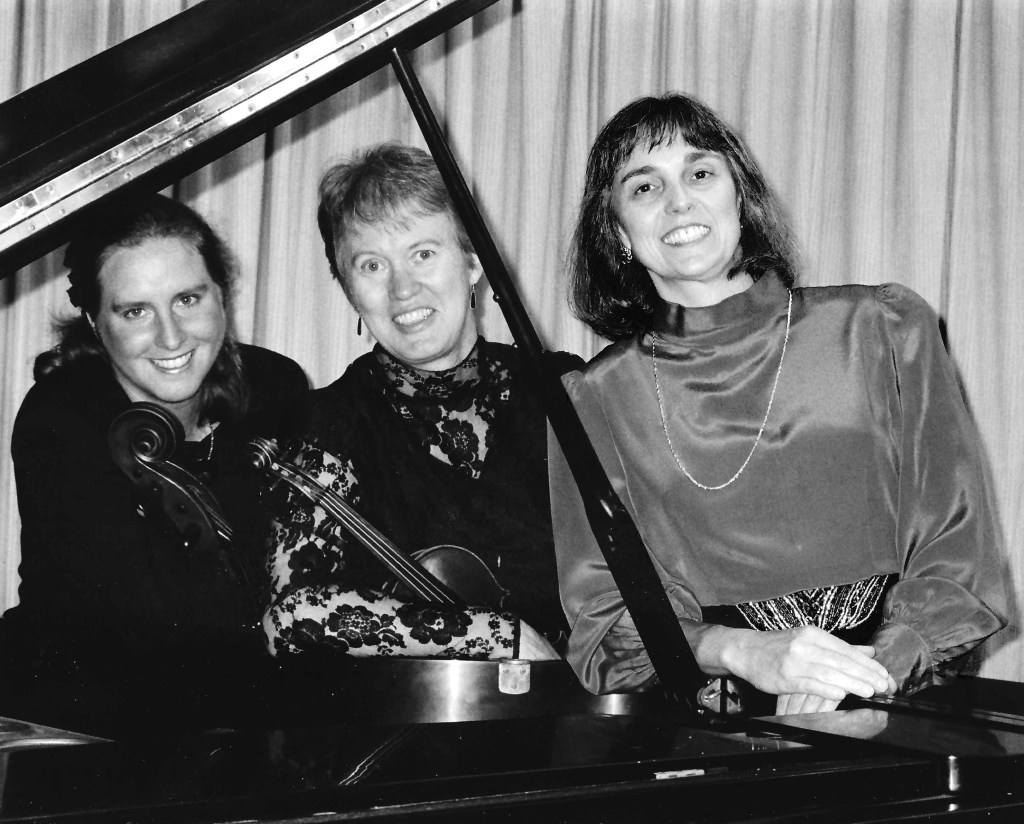
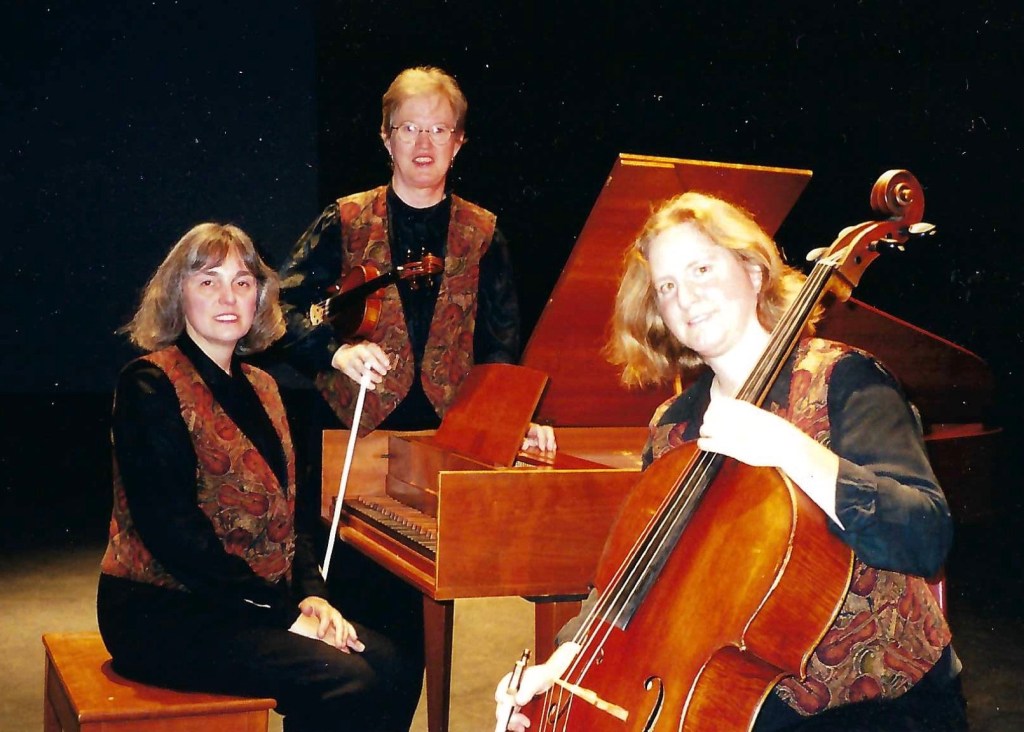
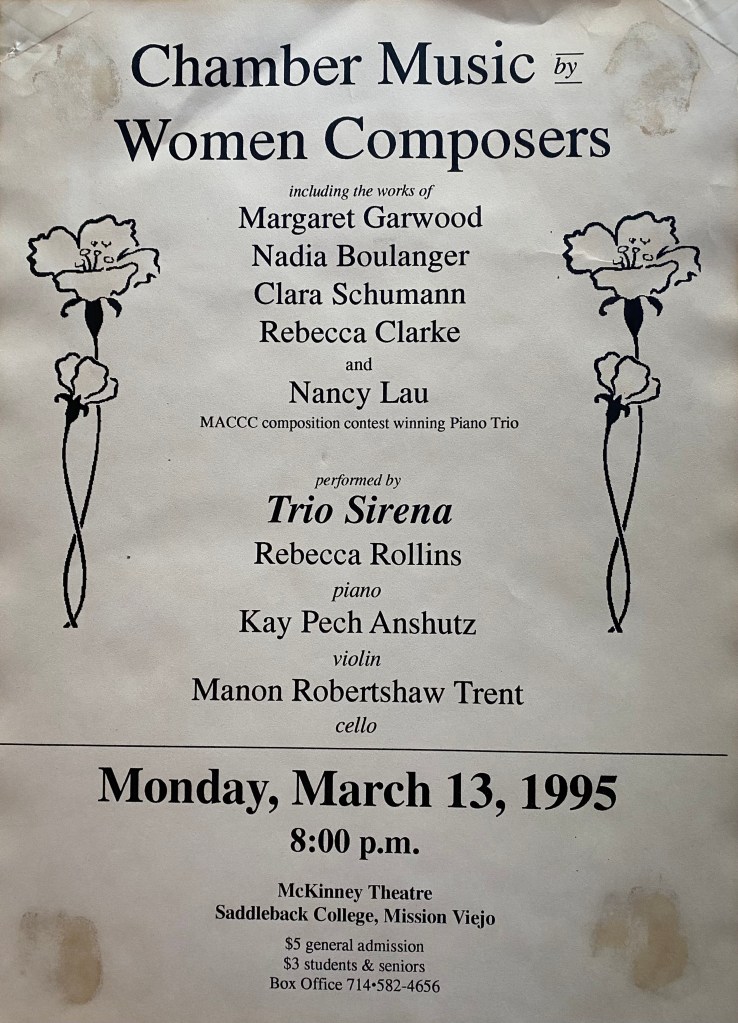
In the 1990s Kay, pianist Rebecca Rollins, and cellist Manon Robertshaw formed the Trio Sirena which was dedicated to the performance of music written by women composers. She also spent 10 years coaching at the ASTA Summer Institute of Chamber Music and took particular pride in her students who rose to acclaim in the professional music world: Michi Wiancko (composer and violinist), Alida Schat (European violinist), Kevin Kumar (Salastina), and Calvin Wiersma (Manhattan String Quartet).
Kay’s lifelong passion for chamber music came to fruition in the formation of her nonprofit, Chamber Music Institute/So Cal, in 1997. For 28 summers—including during Covid, playing while masked outside in local parks—she hired inspiring local string teachers to coach a handful of carefully formed string quartets. Once again, this wasn’t about high-profile marketing and glitzy venues. Kay’s focus was always on the substance: good quality, personal experiences accessible to everyone, regardless of finances (securing scholarships for those who needed it). She wanted people of all ages (“from ages 8 to 88”) to be exposed to great music, from Haydn to Fanny Mendelssohn to Wallin Huff, and to come to love at least enough of it that they might be inspired to pull it out and play it for the rest of their lives. It’s what she was still doing just days before she died. Even after her first stroke just weeks before her death, when she was suffering from chronic exhaustion, she would take out the violin that Rena Weisshaar had made specially for her and play, if only for a few minutes, until she could play no more. All told, Kay had played the violin and viola for 80 years and taught for more than 70.
Kay-isms
“Every good musician carries a pencil.”
“If you’re going to make a mistake, make a LOUD mistake.” [Play with confidence!]
For a string quartet: “If the first violinist falls off her chair, you all fall off your chairs.” [Follow your leader!]
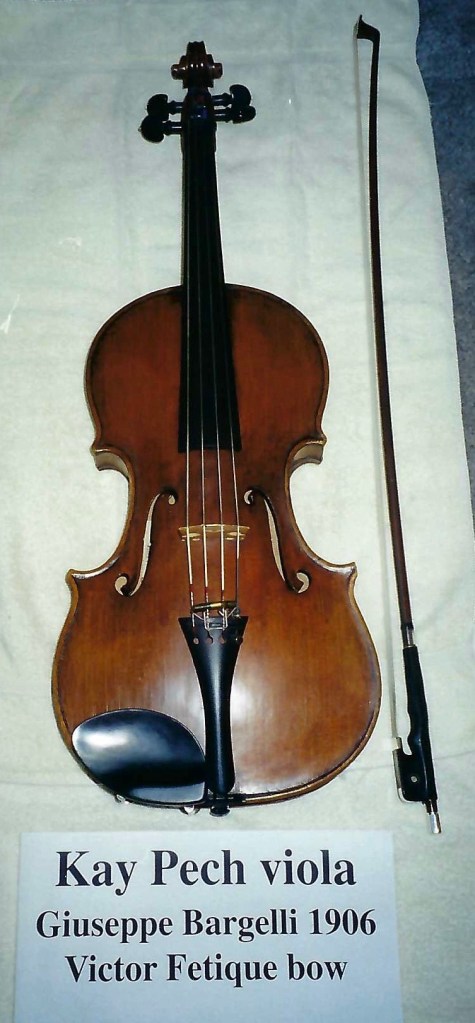
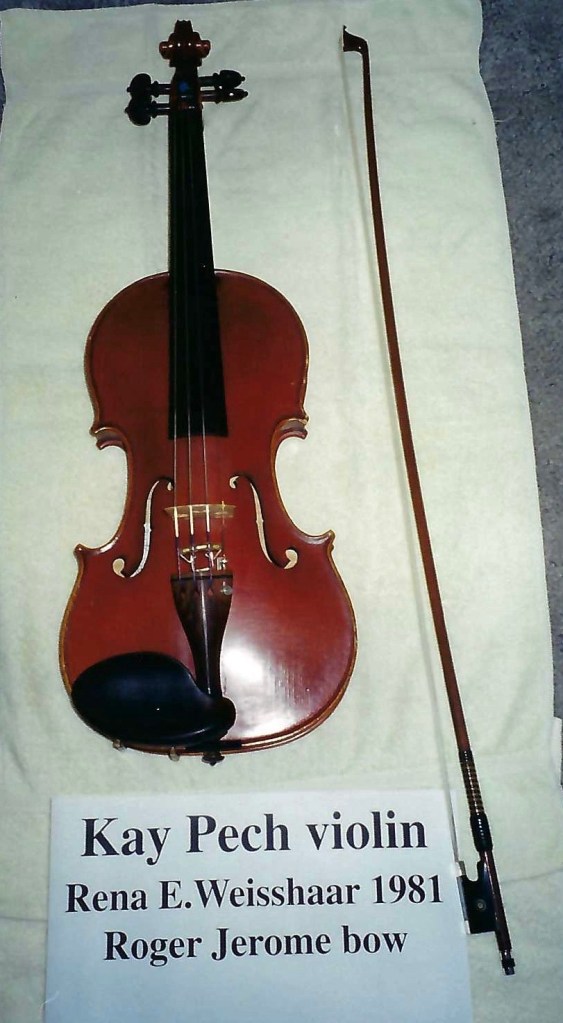
Kay’s violin is currently for sale. If interested, contact the Weisshaar shop in Costa Mesa, California.
Select each image to see the full picture
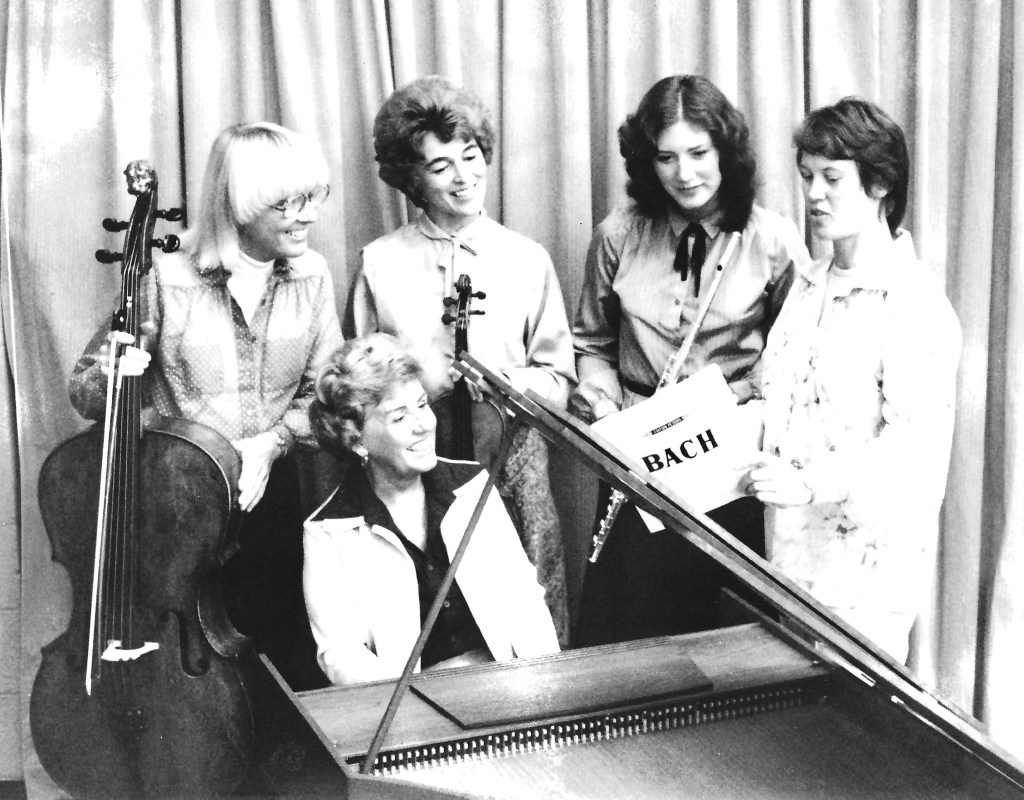
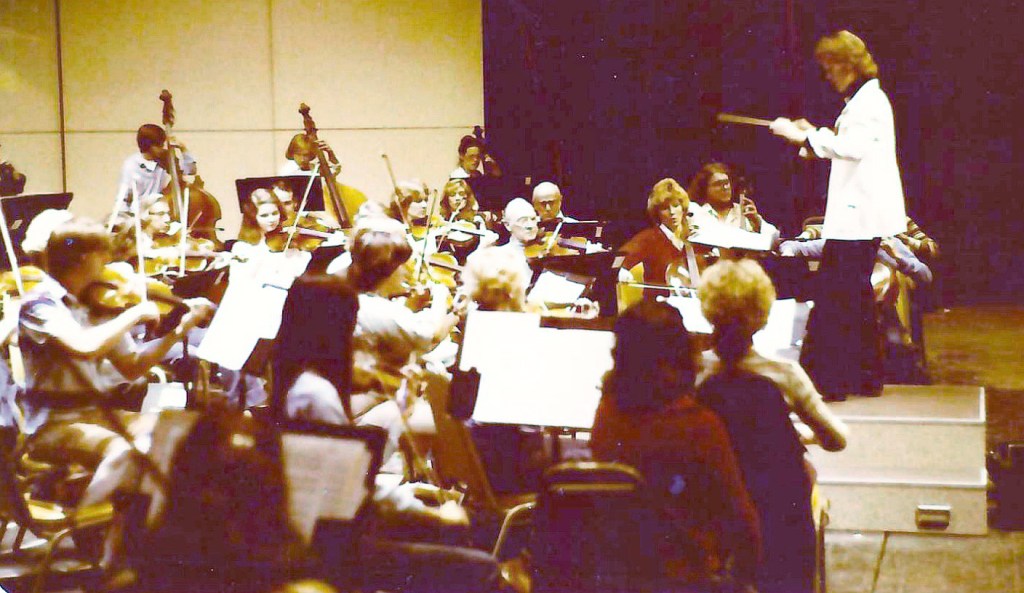
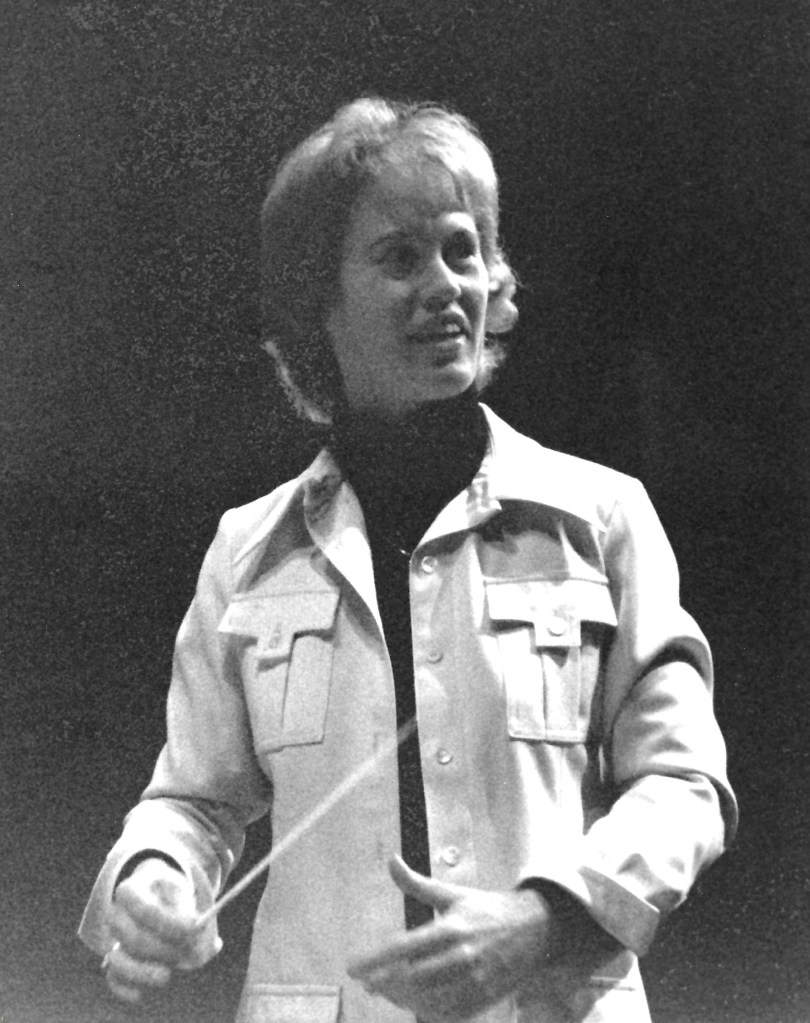
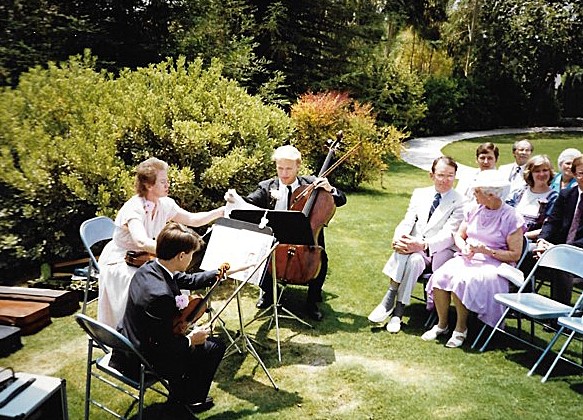
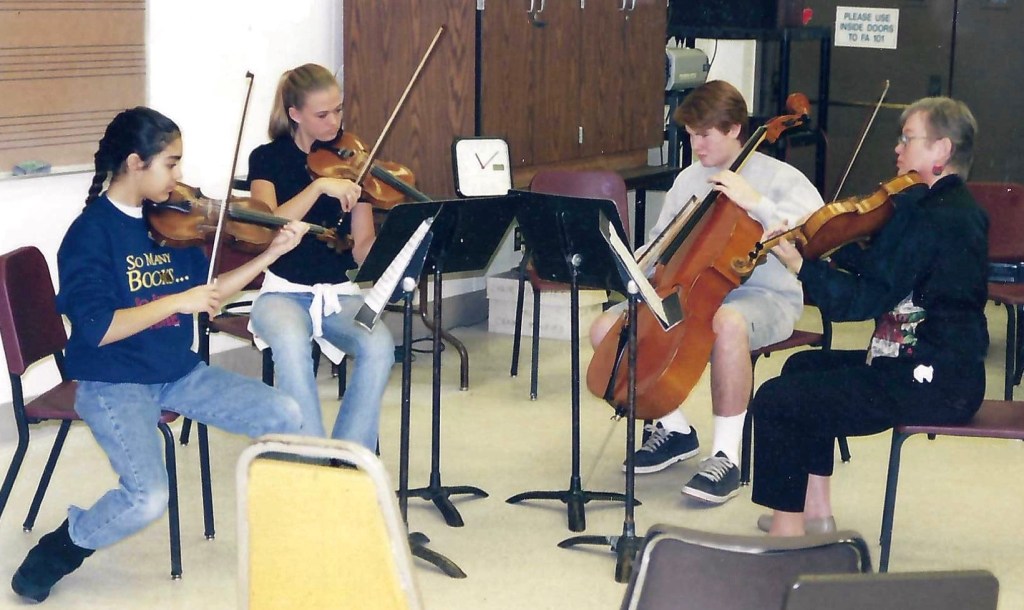

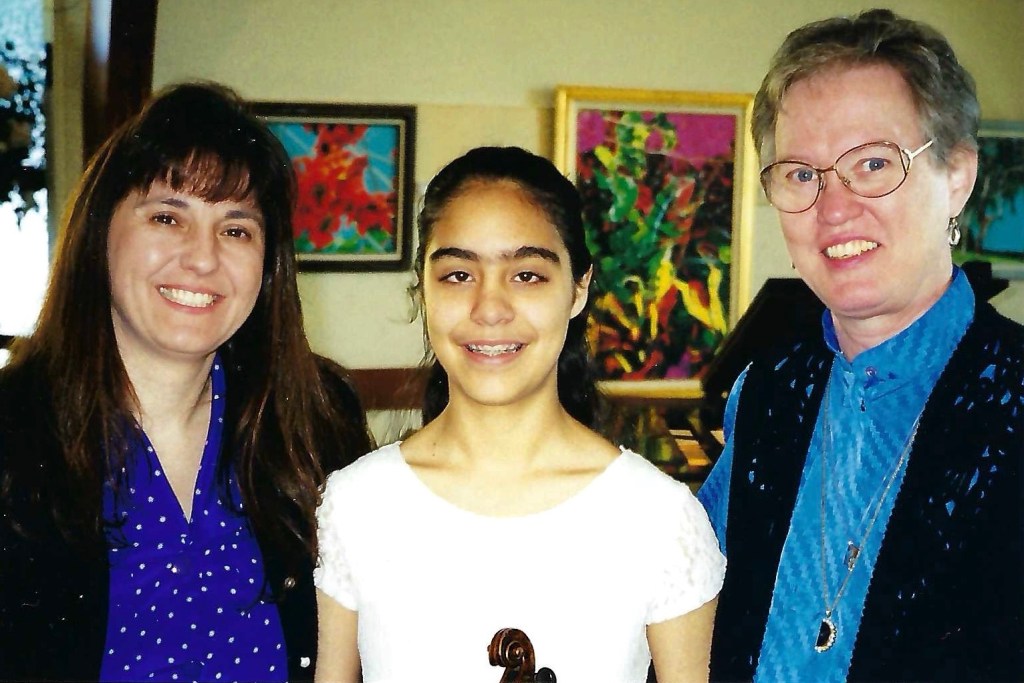
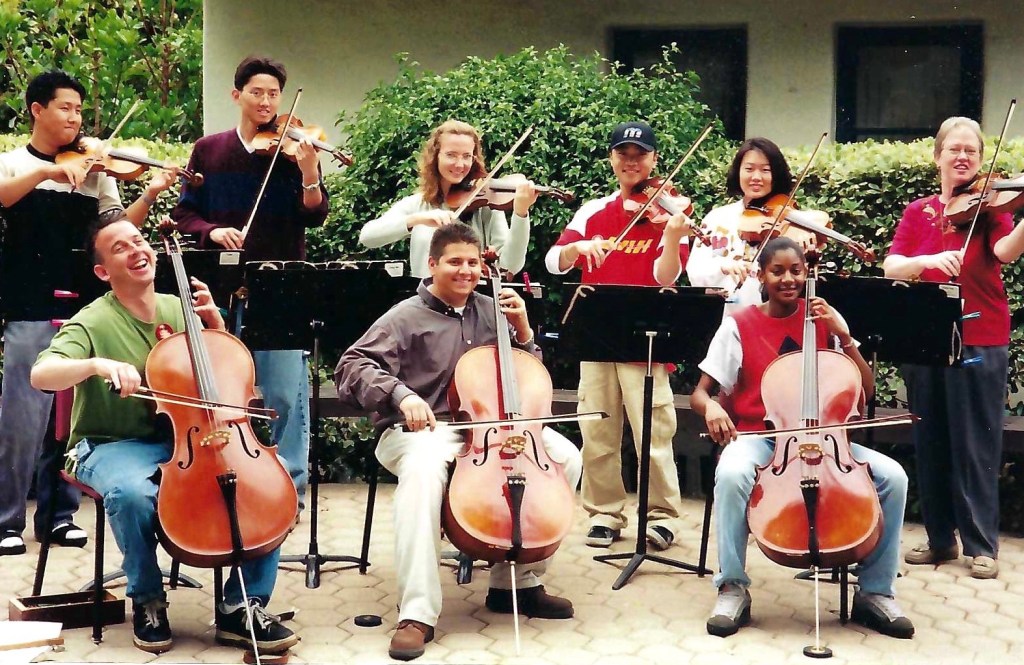
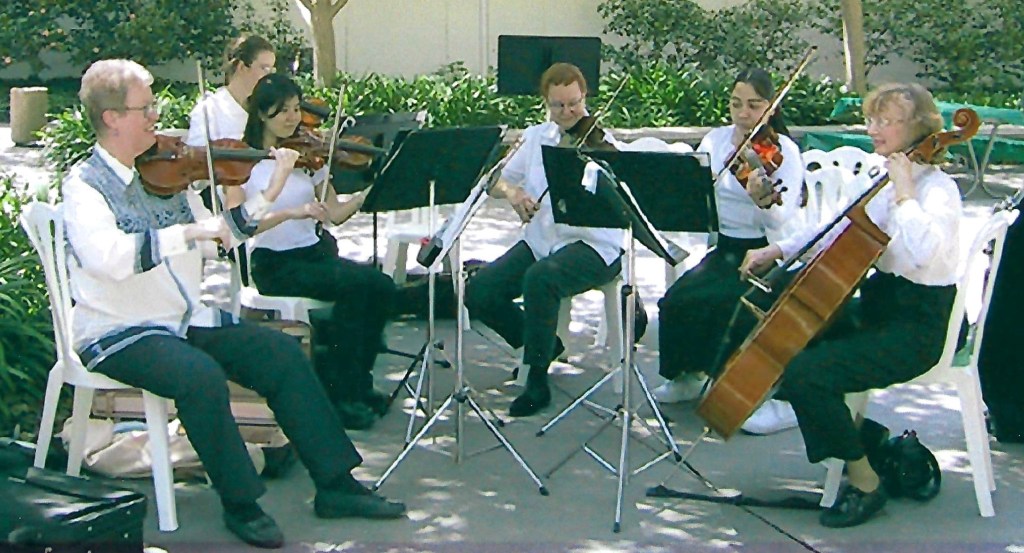
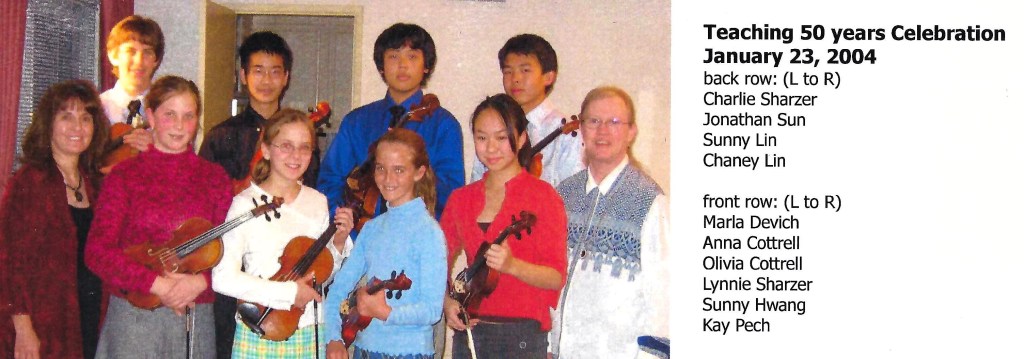
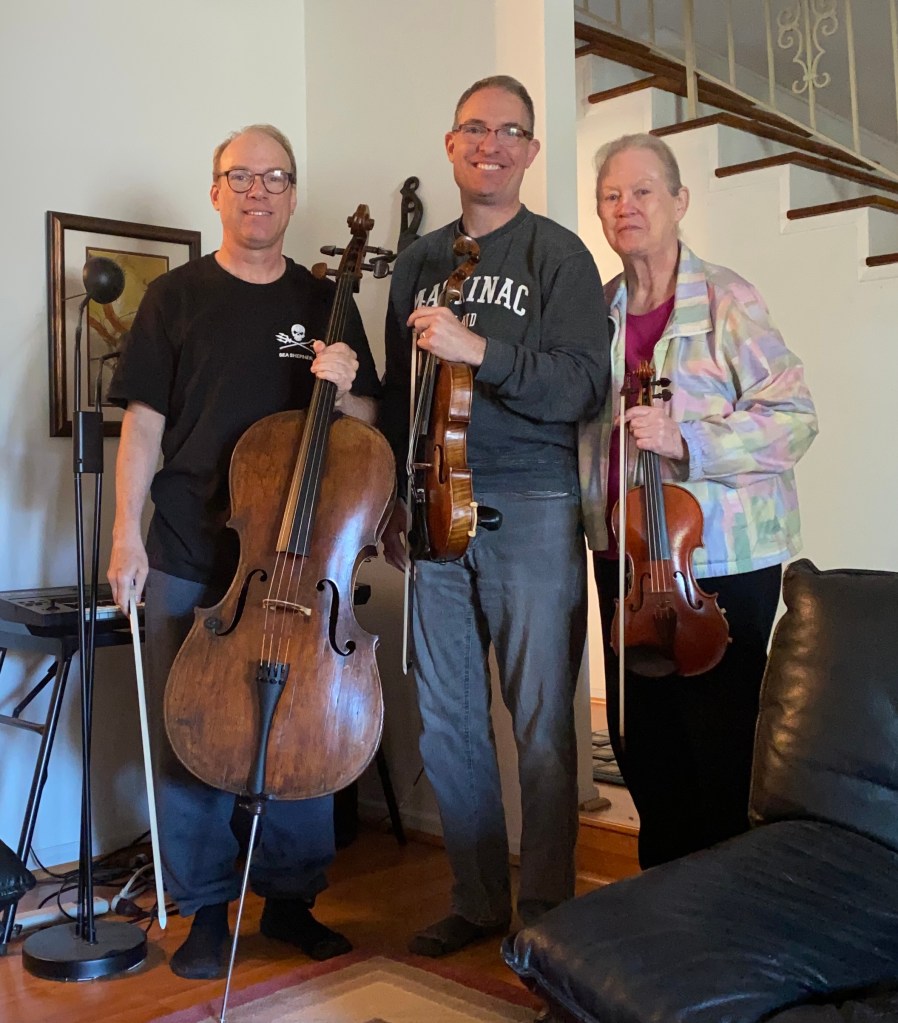


“Ms. Pech was extraordinary. She was a brilliant musician and teacher, but also a mentor and friend. As soon as my brother and I started taking lessons from her, there was no question that playing music would be part of our lives forever. I carry her teaching with me still. She taught me a foolproof method for memorizing: play a section of a piece three times, turn around and play it, and if you can’t play it perfectly from memory, turn around and play it three more times! She helped me push through years of debilitating stage fright to grow my confidence. She introduced me to the female musicians and composers–from Hildegard of Bingen to Fanny Mendelssohn–who blazed a trail even when no trail was visible. That was Ms. Pech. She was strong and loving. She adored learning and shared her love of learning with so many. She was strict and tough, but also deeply caring, and I grew as a musician and a person because of her high expectations. She brought the joy of music into so many people’s lives, and I’m incredibly lucky to have felt her impact. To have someone who shows up for you every week of your childhood with such attention and care is a gift. To know her was a gift. I can’t picture this world without her in it. I love and miss her dearly.” —Carolyn Sharzer, former student
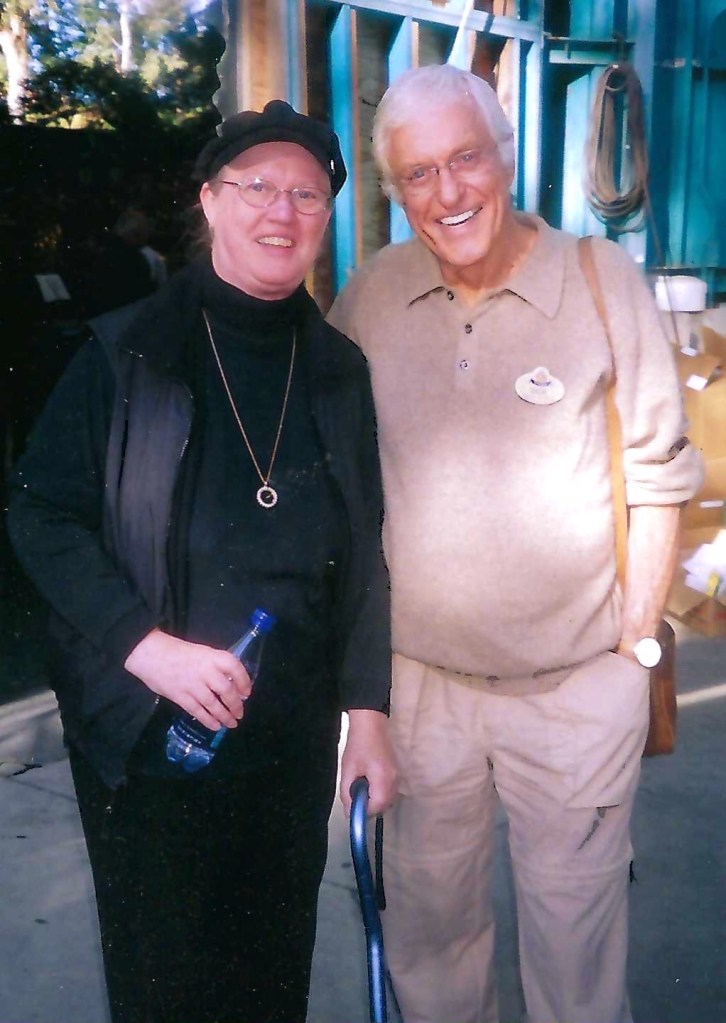
“I first met Kay when I moved to SoCal as a young newlywed from New England 35 years ago. I had been playing violin since elementary school but after college I had gravitated towards the viola. I didn’t really follow up on things until I got out here and enrolled in Kay’s chamber music class at Saddleback College. It was Kay who encouraged me to pursue the viola and to this day, I have all the bowings and fingerings she shared with me in many of my viola parts. She was a consistently effective and efficient coach – probably the best I have ever had. I learned so much from her! And now it is the viola which I play full time, two grown children and many years later. In addition to teaching our class, Kay organized and presented weekend programs and chamber music marathons at the college. I feel lucky to have participated in them. I then had the pleasure of landing a spot in the Disneyland Christmas Candlelight Orchestra and Kay warmly welcomed me into the section. We shared some good times together there and she always took great pictures of the celebrity guest and our section.” —Leonie Kramer, violist
“Kay was such a foundational and important musical presence for both of us early in our musical lives. Her dedication and enthusiasm and passion was truly unmatched, and the way she organized programs and brought people together through mutual love of chamber music was truly powerful. She will be missed for sure.” —Hiroko & Michi Wiancko, mother & daughter, both former students
“Ms. Pech was one of my most formative mentors when I was a kid – I learned so much from her beyond just how to play an instrument, and will be forever grateful that she pushed me from violin to viola…. She was the only person who made it clear I needed to keep writing even after I went down a different career path…. Ms. Pech is the type of person who leaves a hole that nobody else can fill.” —Charlie Sharzer, former student
“We are so deeply saddened by Kay’s death. We always have thought that outside of the two of us, Kay was one of the adults who most influenced our children’s lives. She taught them to be exacting in their study of violin and viola, gave them the confidence to tackle the most difficult pieces and most of all, helped instill in them a love of playing music. They both still play. I can’t tell you how much we miss the trios and quartets that filled our home with music for so many years. Kay was one of a kind. We think of her often.” —Liz & Mark Sharzer, parents of two of Kay’s students
Many didn’t know that Kay had a Beethoven-esque hearing loss later in life: “Kay had a huge hearing loss which could be viewed as devastating for a person like herself whose life was centered around music. Kay took her hearing loss in stride and there were no moments of ‘Why me?’ Yes, she wanted to hear as best she could and even brought her instrument into the office to hear the tones her viola would make as I programmed her hearing aids. Kay would give her little giggle as she contemplated the sounds coming through the amplified devices. [She] had a gentle and strong spirit. She will be missed and I am thankful I had the opportunity to know her.” —Lori Hallett, MA, Kay’s audiologist
“Kay was such an important figure in my life during my formative years. I credit her with inspiring my journey as a professional musician. Her patience, perseverance, and passion for teaching shaped my love for music, and I will forever be indebted to her for this. Though I was quite young when she taught me, the violin has remained a guiding force through many difficult moments in my life, and it has also been a source of immense joy. I can’t imagine what my life would have been like without the foundation Kay helped lay. Her recent activity with the Chamber Music Institute and her plans for ASTA deeply reflect the boundless energy and commitment she had to music and her students. It’s incredible how, even after her stroke, she was still playing her viola and surrounding herself with music and loved ones. It speaks volumes about her strength and spirit. I will always hold Kay in my heart with deep gratitude.” —Alida Schat, European violinist
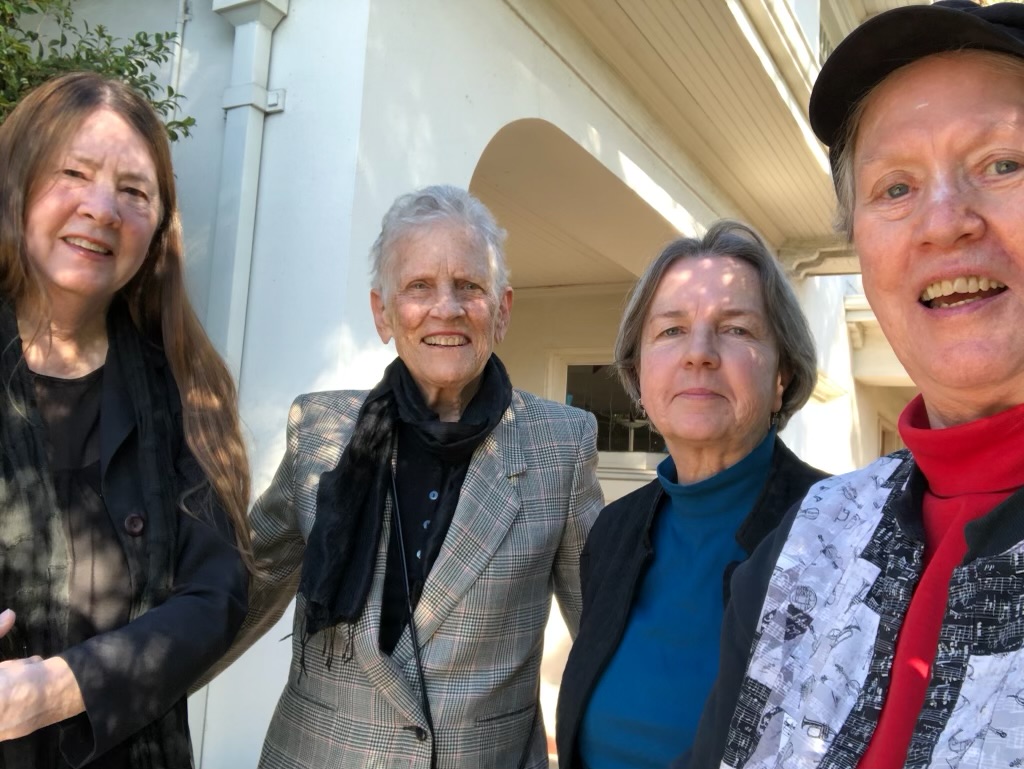
If you would like to add your voice and/or picture to Kay’s tribute, please send an email to tehanu.arts@gmail.com.
 Chamber Music Institute